arrow_outward
arrow_back

BACK

Montro

Montro is a gamified expense-tracking app built for young adults navigating financial independence for the first time — combining tracking, budgeting, and rewards to turn a habit most people abandon into one worth keeping.

A habit most apps were never designed to build

Montro was designed for young adults between 16 and 30 — people who have recently gained financial independence but have little to no foundation in financial literacy. For this group, the problem isn't awareness. Most know they should be tracking their money. The problem is follow-through.

Expense tracking sits in the same category as going to the gym or eating better — everyone intends to do it, few build it into a lasting habit. Existing apps treat this as a data problem and respond with dashboards and spreadsheets. Montro treats it as a behavioral problem and responds with structure, feedback, and reward.

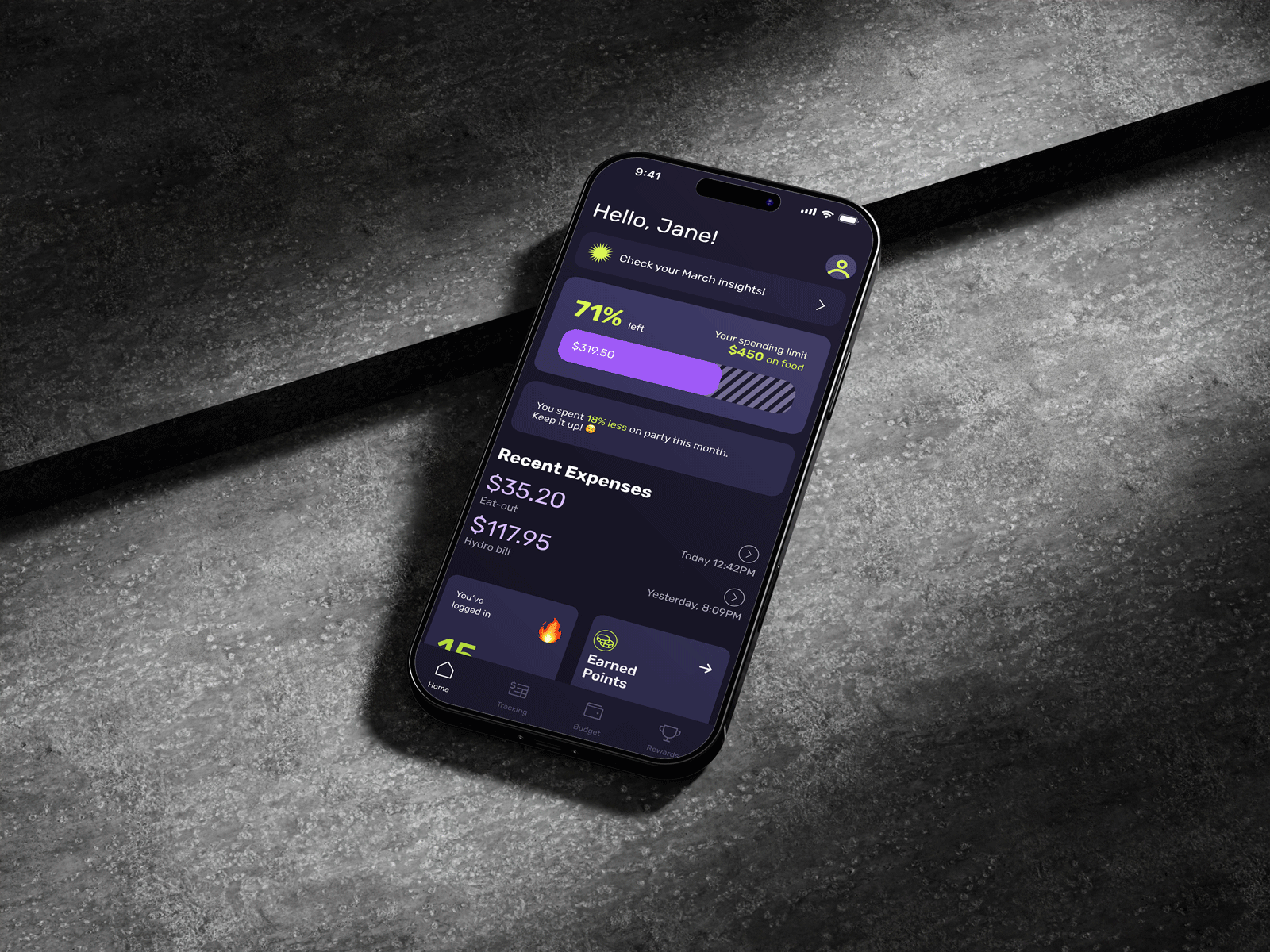
Montro app screenshot

The Problem

Everyone starts. Almost nobody stays.

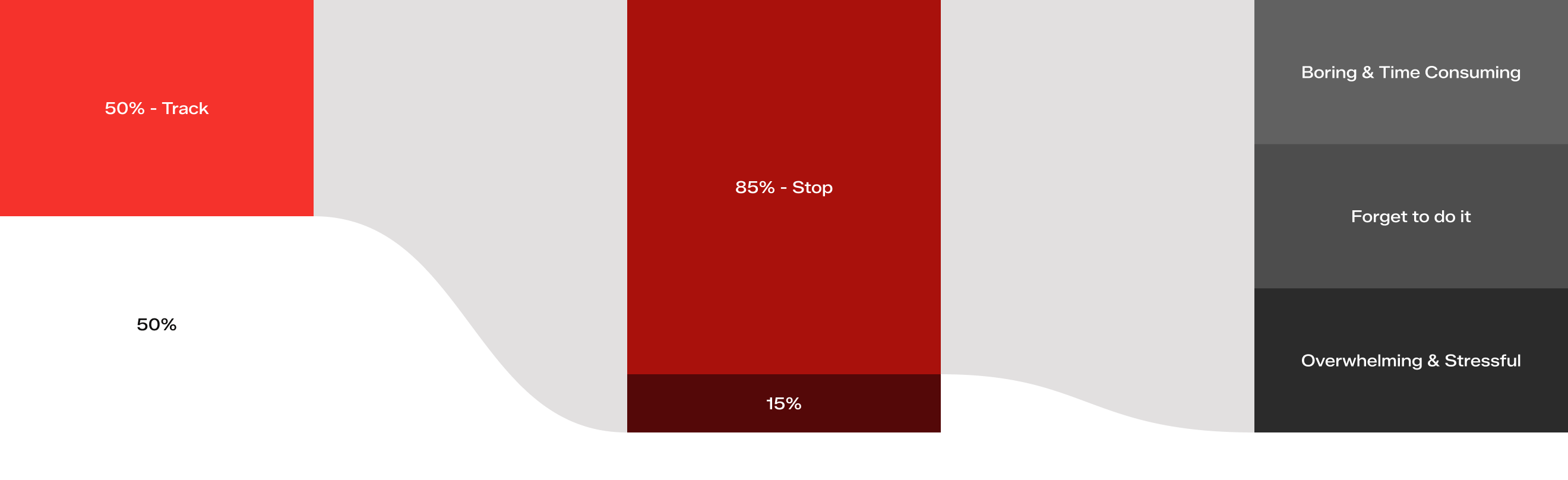
Most people who try to track their expenses don't stick with it. Around 50% attempt tracking regularly, but 85% of those lose consistency over time. The reasons aren't surprising: tracking feels boring, time-consuming, and stressful, especially in apps that rely on manual entry and spreadsheet-style layouts. When motivation fades, users don't gradually reduce their tracking — they abandon it altogether, only becoming aware of their spending habits once the damage is already done.

Note: Data is based on user interview conducted on a group of 10 people.
The root cause isn't laziness. It's that no existing tool makes tracking feel worth doing. There's no feedback loop, no sense of progress, and no reward for showing up consistently. Without those, habit formation is nearly impossible.

Research & Discovery

The real barrier wasn't the numbers — it was the routine

To understand why consistency was failing, we surveyed 10 young adults between the ages of 18 and 37, asking not what features they wanted but why their current methods weren't working. Four findings shaped the direction of the product.

1
AVOIDING APPS

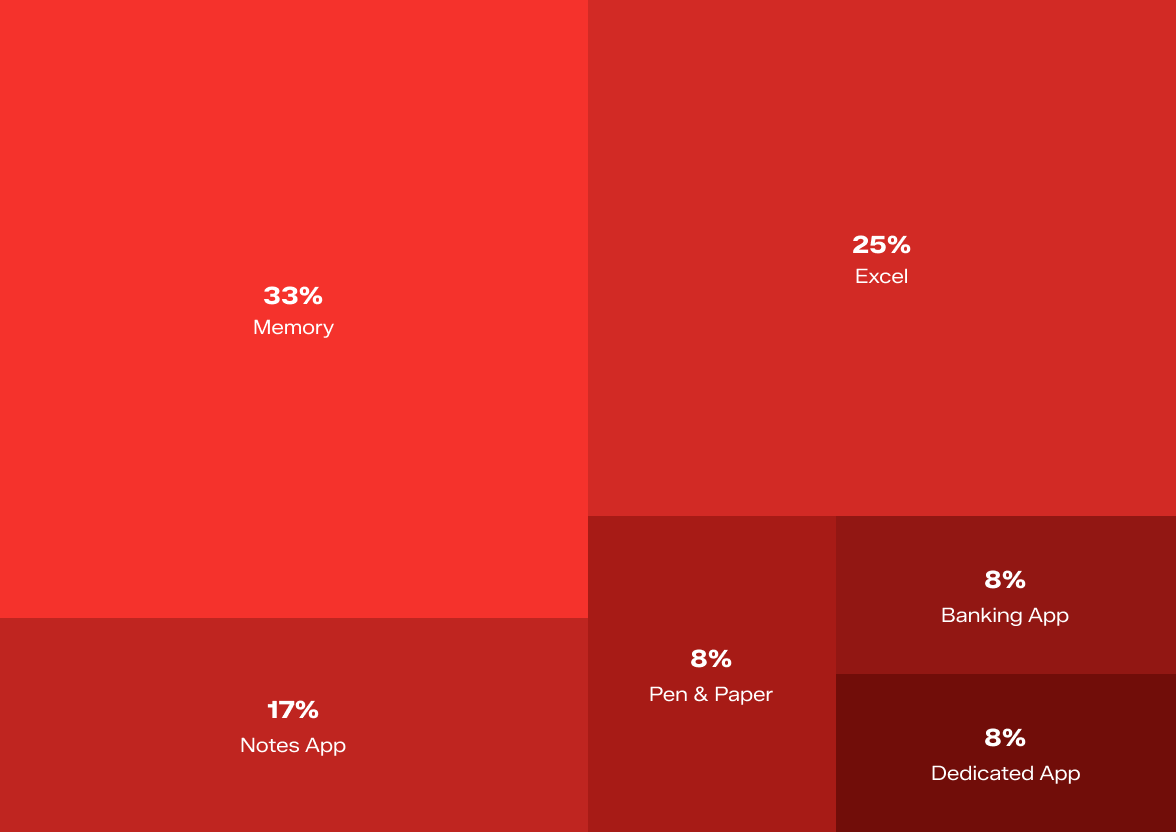
Most participants tracked through memory, Excel, or their notes app. Purpose-built software wasn't worth the switch because nothing offered a meaningfully better experience.

2
LOSING STREAK

Over half had built tracking into a habit at some point. But nearly half still needed reminders to stay consistent. The willingness existed — the system to support it didn't.

3
NEED A REASON

7 of 10 said a reward of some kind would definitively increase how often they used a tracking app. It was the single most agreed-upon finding in the entire survey.

4
SHOW ME MORE

68% wanted both high-level snapshots and granular transaction detail. Presenting data at the right level wasn't a feature request — it was a baseline expectation.

These four findings became the four pillars the product was built around: reduce friction, support consistency, reward the behavior, and present data at the right level of detail.

Competitve Landscape

Tools built for accountants, not for 20-year-olds

The apps our users knew fell into two camps — tools for splitting bills, and tools for serious budgeters. Neither was built for some just starting out.

SPLITWISE

Splits shared expenses between groups. Excellent for roommates, useless for personal budgeting.

Gap: No personal tracking, no habits, no insights.

GODUTCH

Streamlines group bill splitting with clean UX. Social-first, not finance-first.

Gap: Stops at splitting, no budgeting/habit loop.

MONEY MANAGER

Closest to a full personal finance tool. Covers tracking, budgeting, and reports — but built for someone who already has financial discipline.

Gap: Dense, manual-heavy, no reason to return.

None of these apps were built around the one thing that actually changes behavior. Cred proved that rewards drive consistent financial engagement — Montro applies that same logic to tracking, budgeting, and habit formation for someone who's just finding their footing.

The Solution

Tracking that feels rewarding

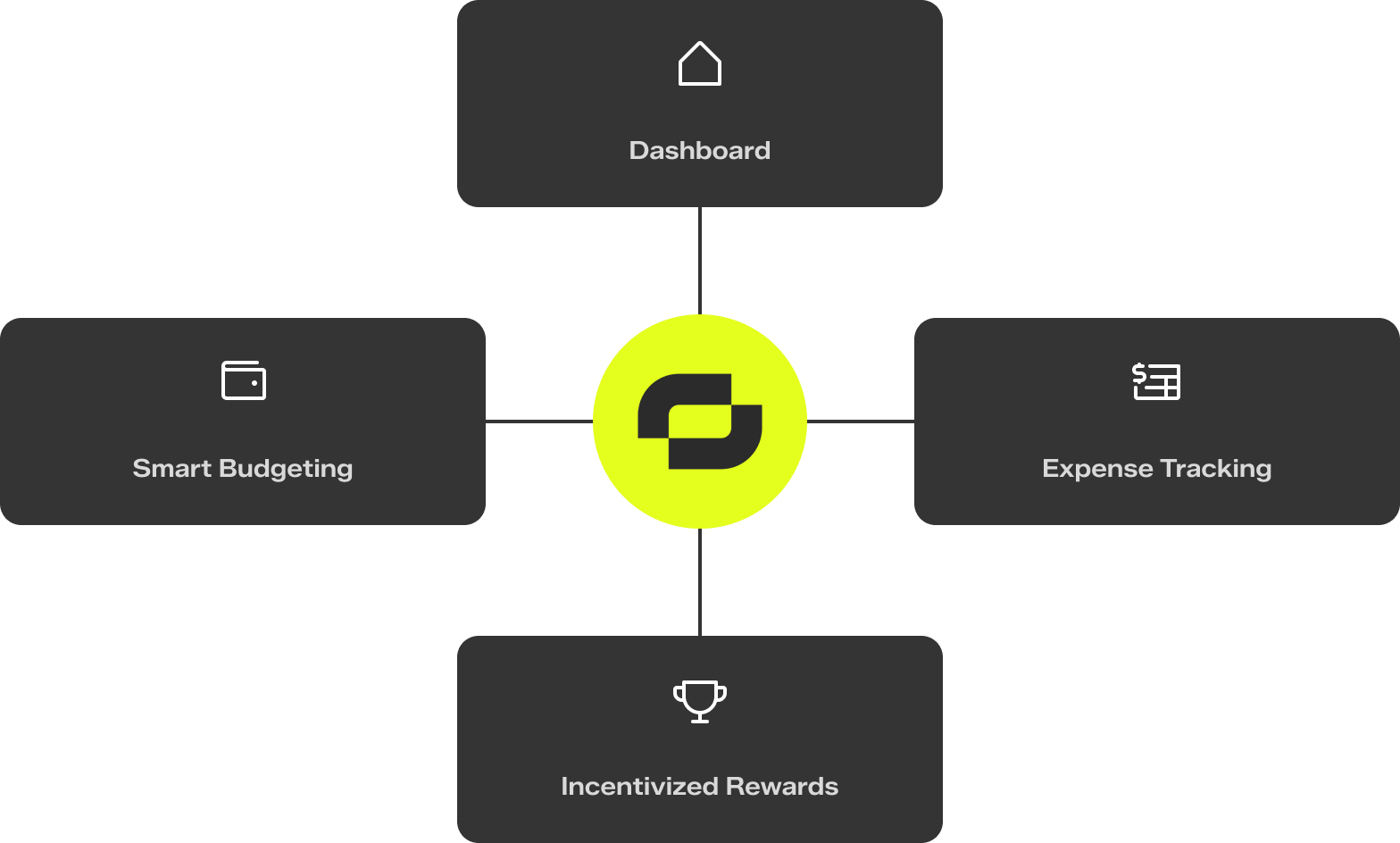
Jana needed one place that tracked her money, helped her budget it, and gave her a reason to come back tomorrow. That became the product brief. Montro is built around four interconnected sections — each one solving a distinct part of the problem the research surfaced. Instead of simply recording expenses, Montro actively supports better financial behavior over time.

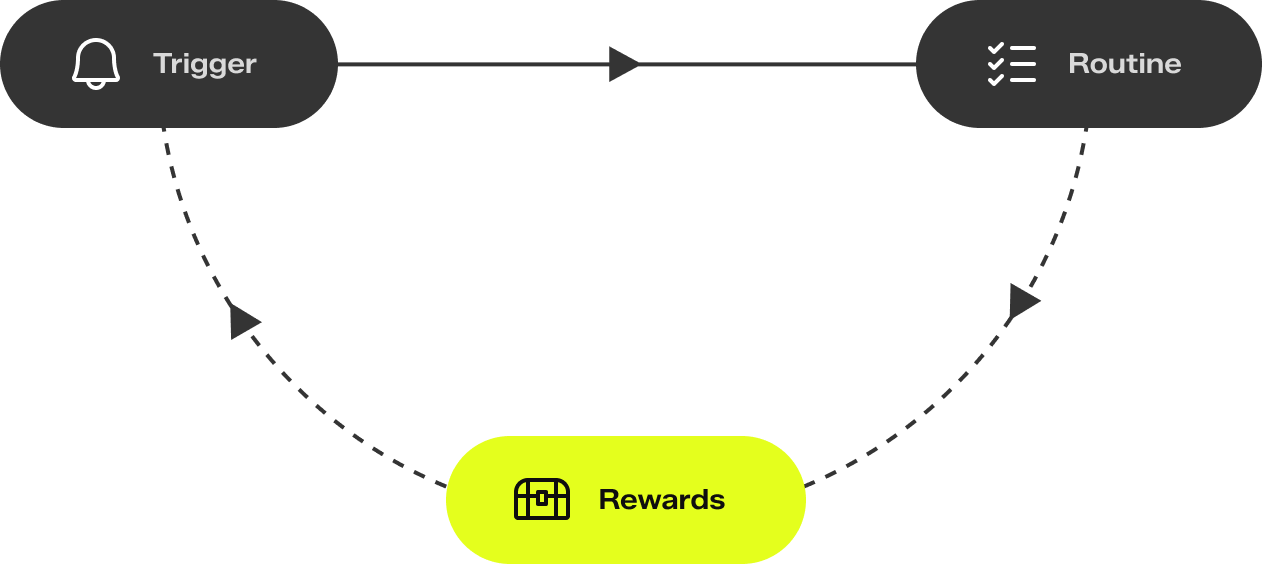
Montro's structure maps directly to the habit loop — a behavioural framework that explains why habits form and why they break. The dashboard acts as the trigger, pulling Jana back into the app daily. Tracking and budgeting are the routine — the core behaviour being built. And the rewards section closes the loop, giving her something tangible in return for showing up.

01. Dashboard

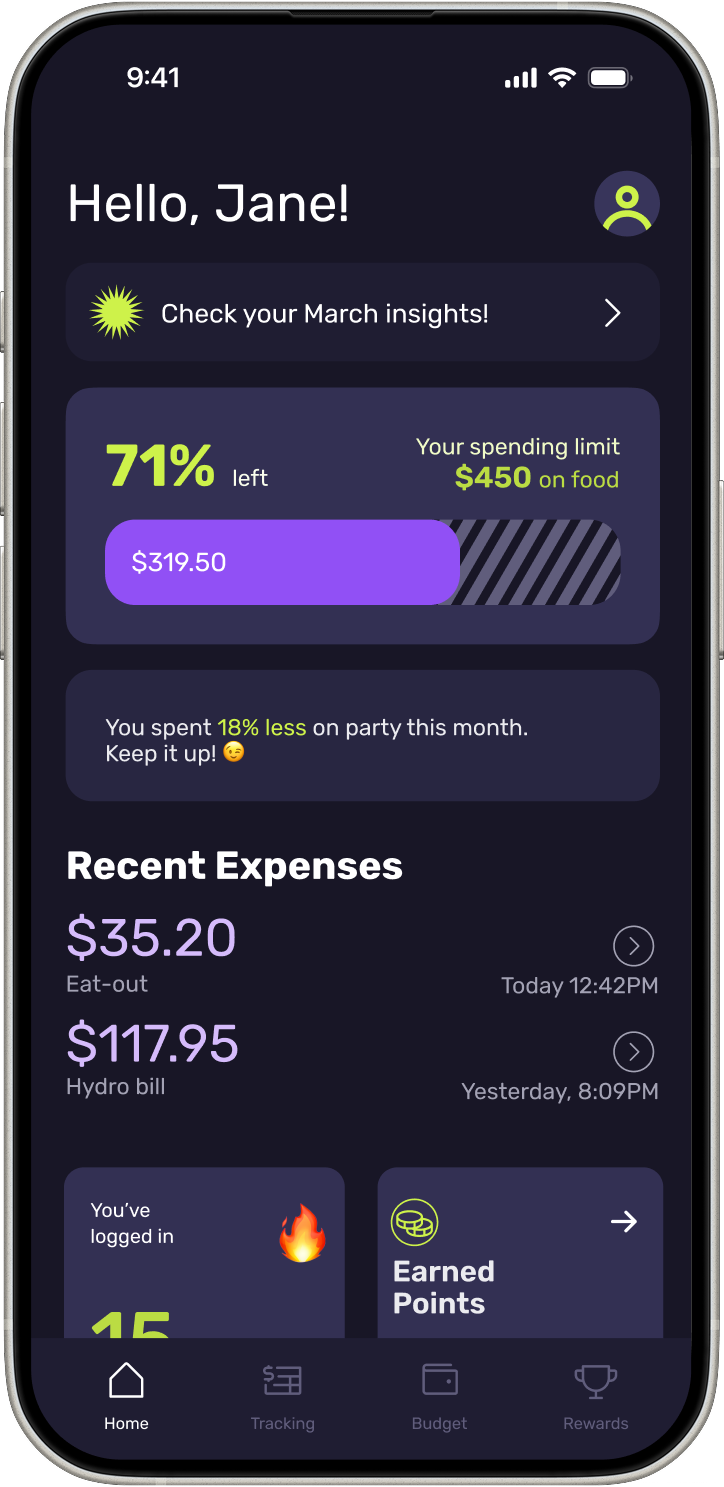
Most tracking apps make you go looking for your financial picture. Montro inverts that — everything Jana needs to know is surfaced the moment she opens the app. Remaining budget, recent transactions, current streak, and points earned are all visible without a single tap.

Monthly Insights

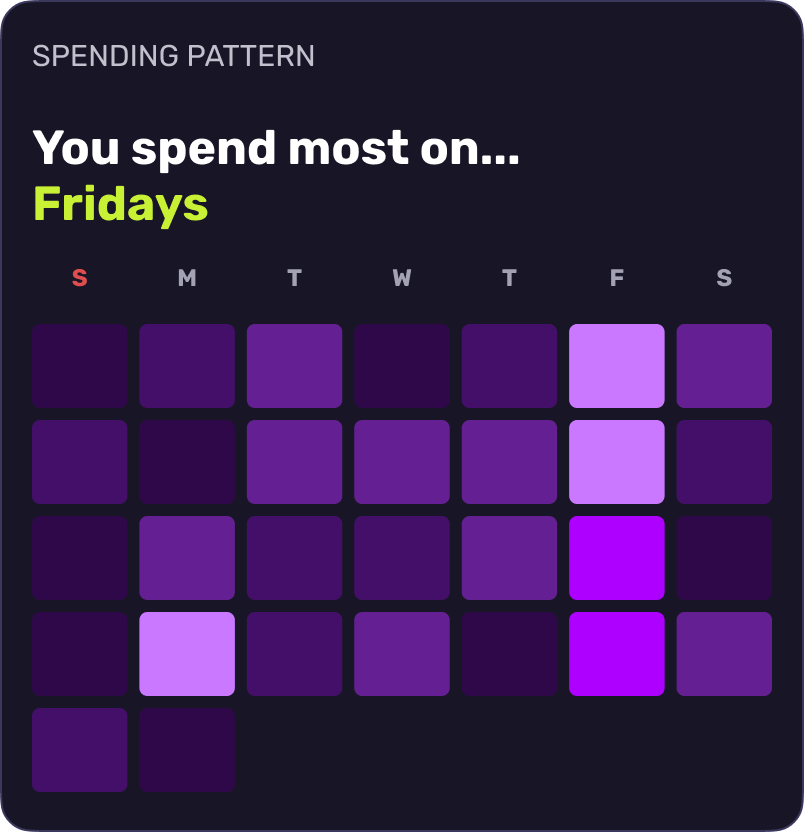
Spending Pattern

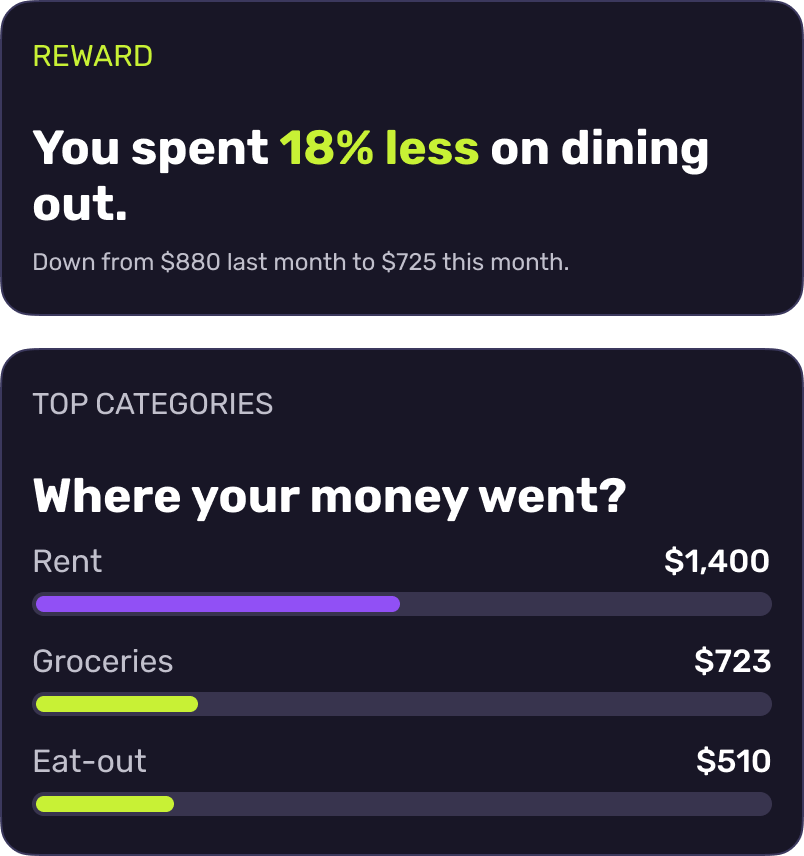
The monthly insights wrap takes this further — a personal breakdown of top categories, top locations, and heaviest spending days. It's the Spotify Wrapped moment for her finances, something she earns by showing up consistently.


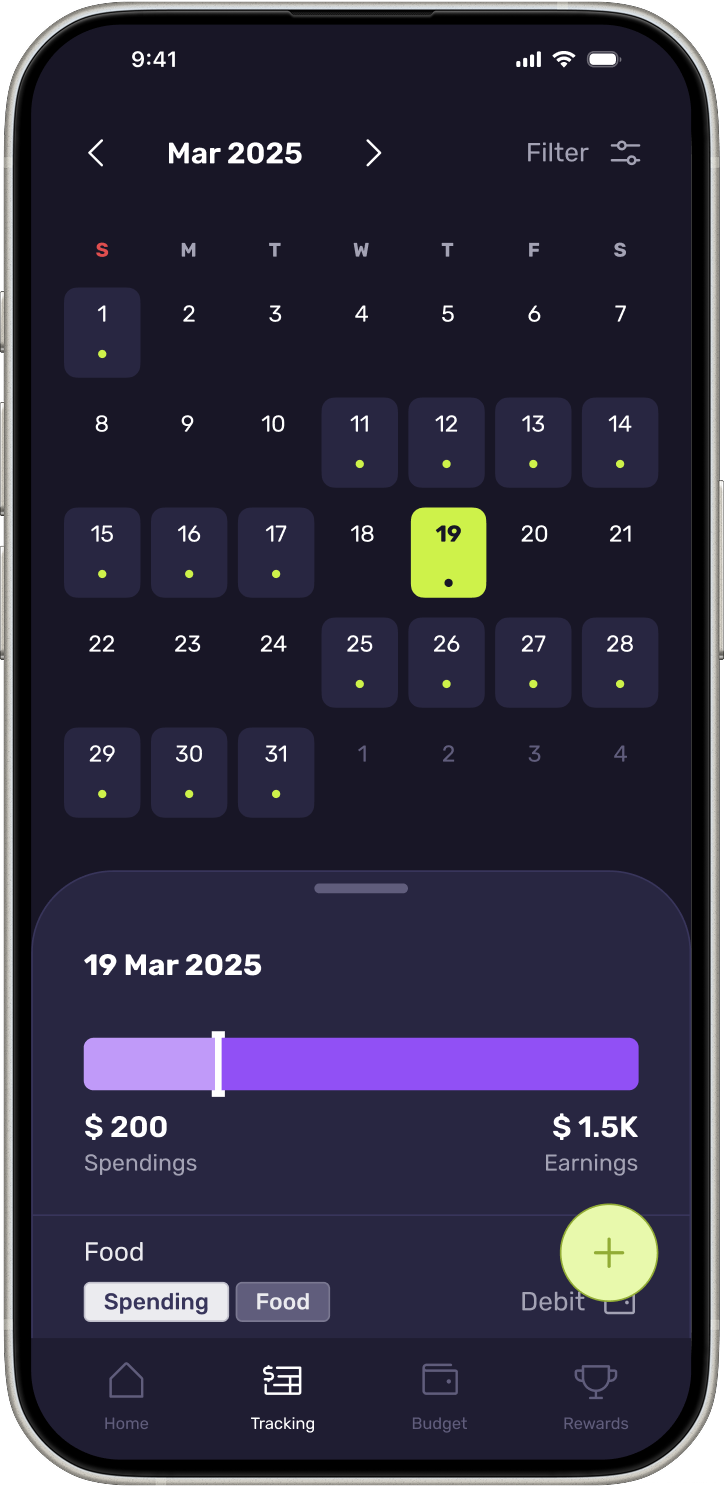
02. Expense Tracking

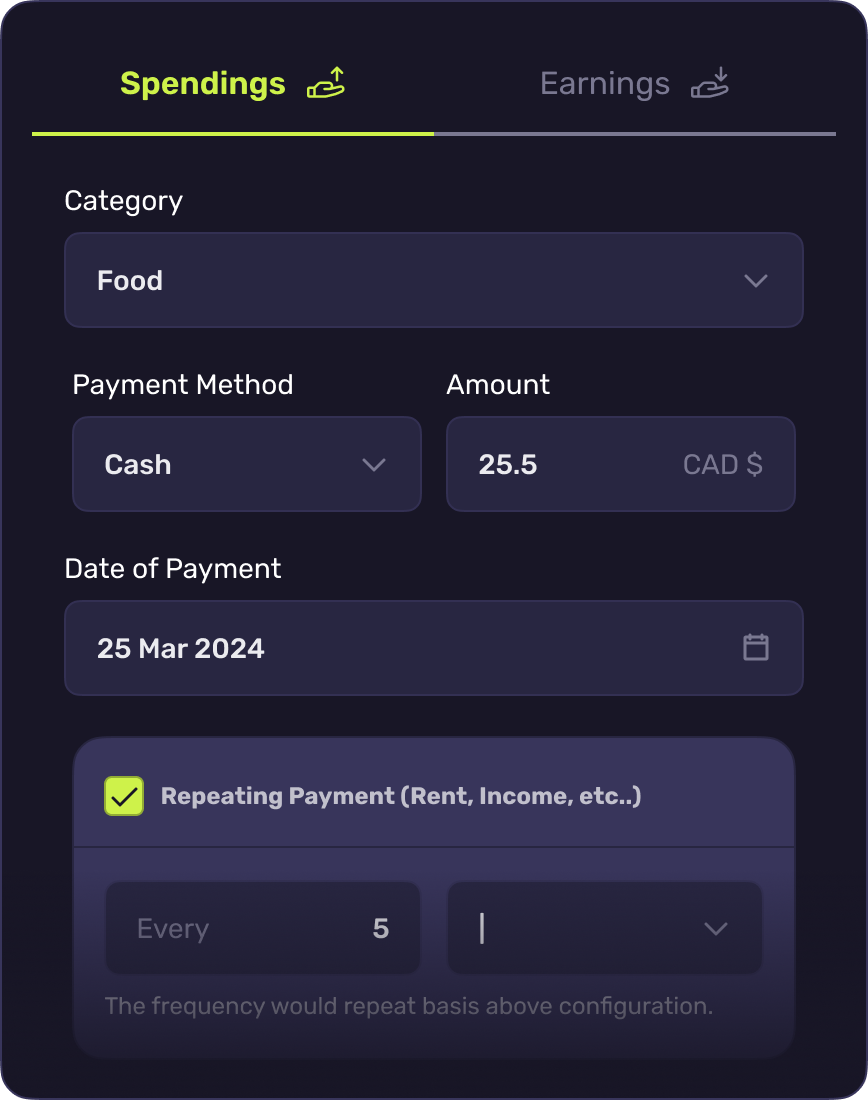
Manual entry was the biggest friction point our research surfaced — people stopped tracking because the effort outweighed the benefit. Montro removes that barrier two ways. A simple form handles manual logs with support for repeating payments like rent or subscriptions.

Manual Logs

Auto-Tracking

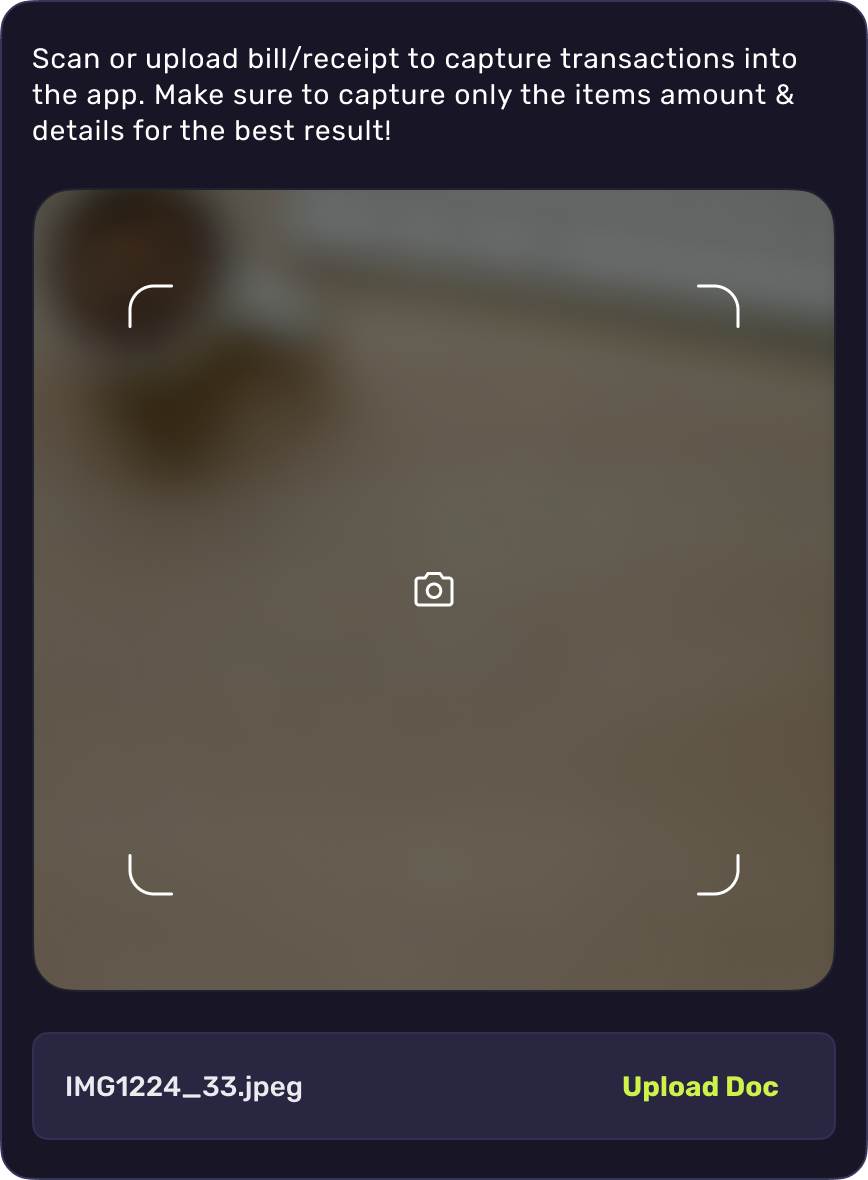
For everything else, she points her camera at a receipt and the app captures the transaction automatically. Two paths, one outcome — the expense is logged before she's had time to talk herself out of it.


03. Smart Budgeting

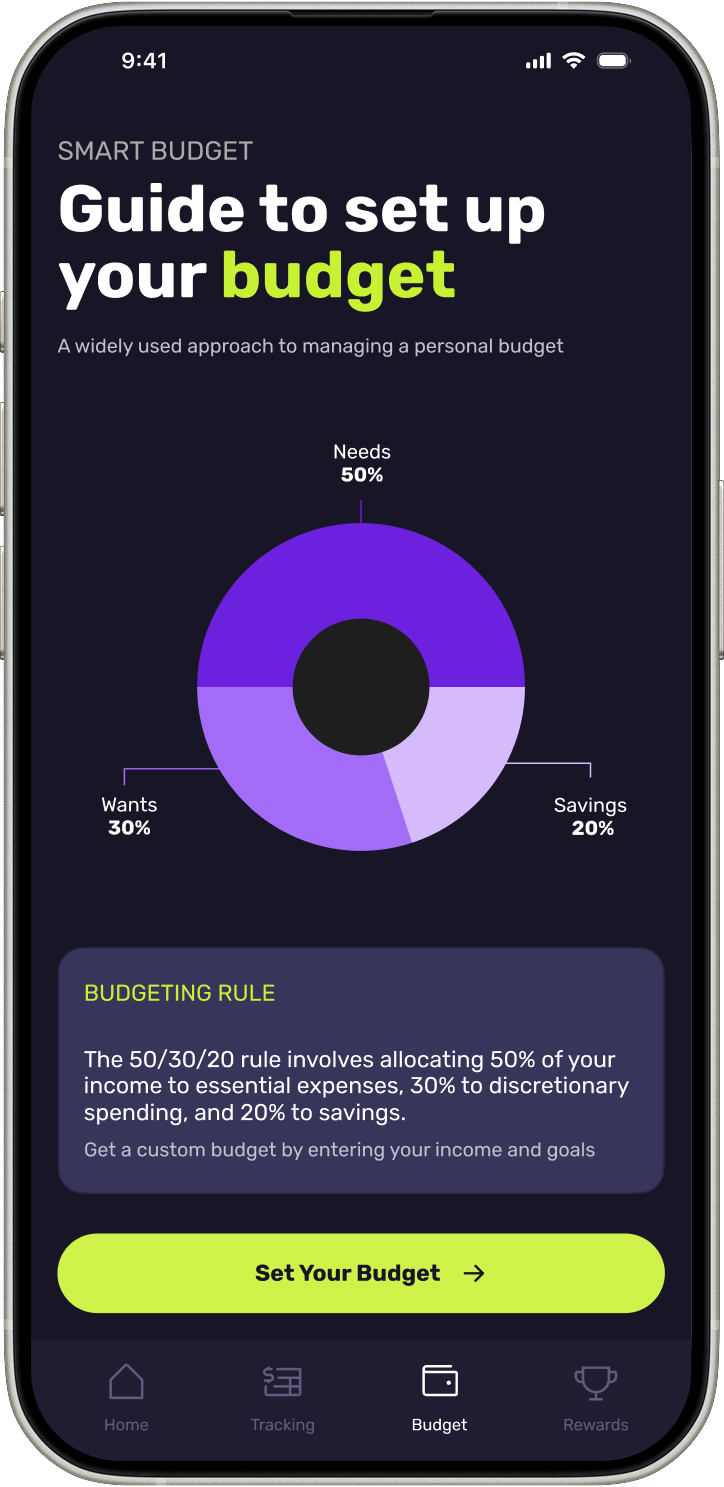
Most budgeting tools hand you a blank slate and expect you to figure it out. Montro starts with a guided onboarding screen that introduces the 50/30/20 rule — needs, wants, and savings — so Jana understands the logic before committing to any numbers.

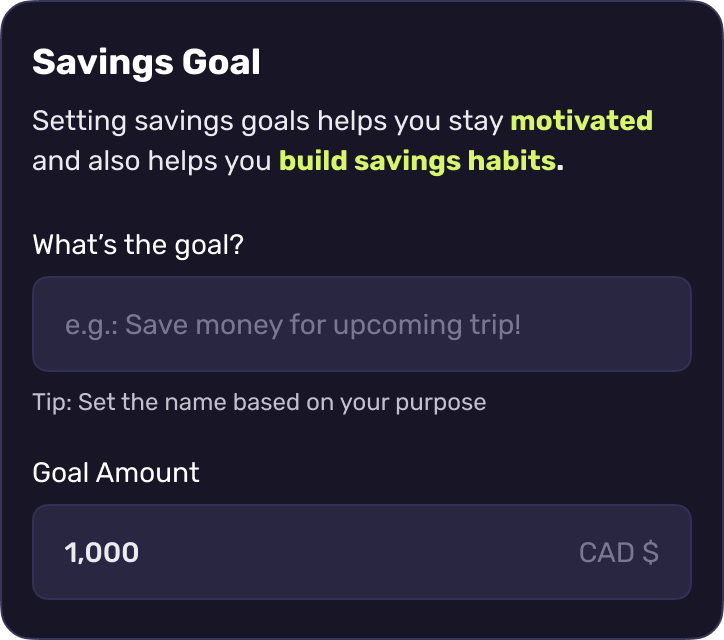
Savings Goal Creation

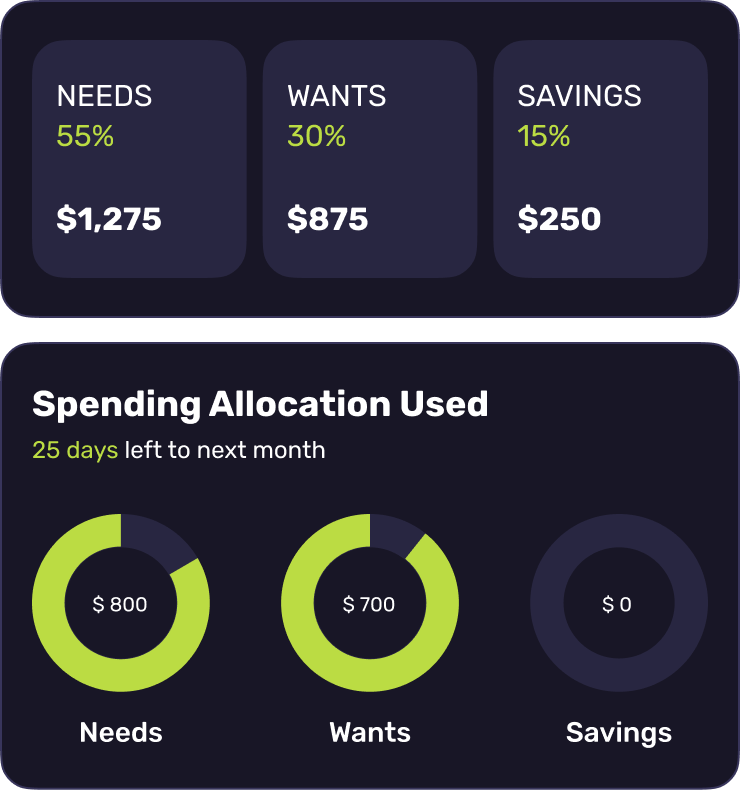
Automatic Budget Builder

She enters her income and a savings goal, and the app generates a personalised breakdown with real dollar amounts and an estimated timeline to reach her goal. The live budget dashboard tracks progress in real time, pulling directly from her logged expenses so the numbers stay honest.


04. Incentivized Rewards

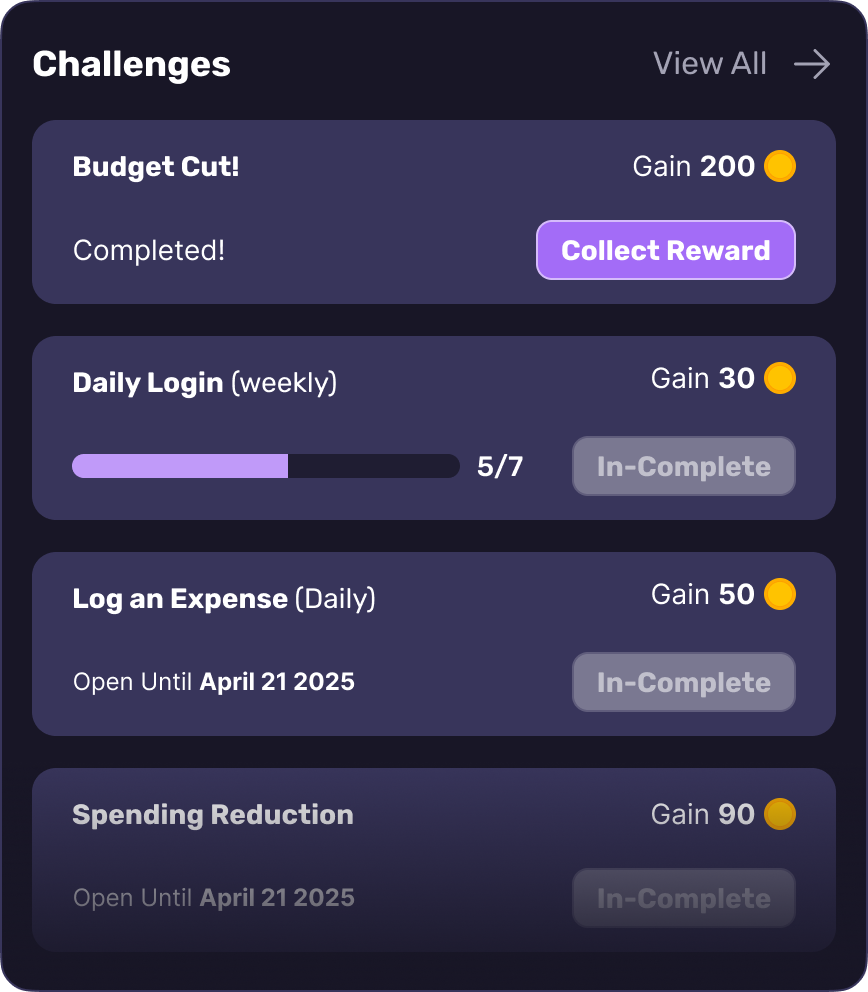
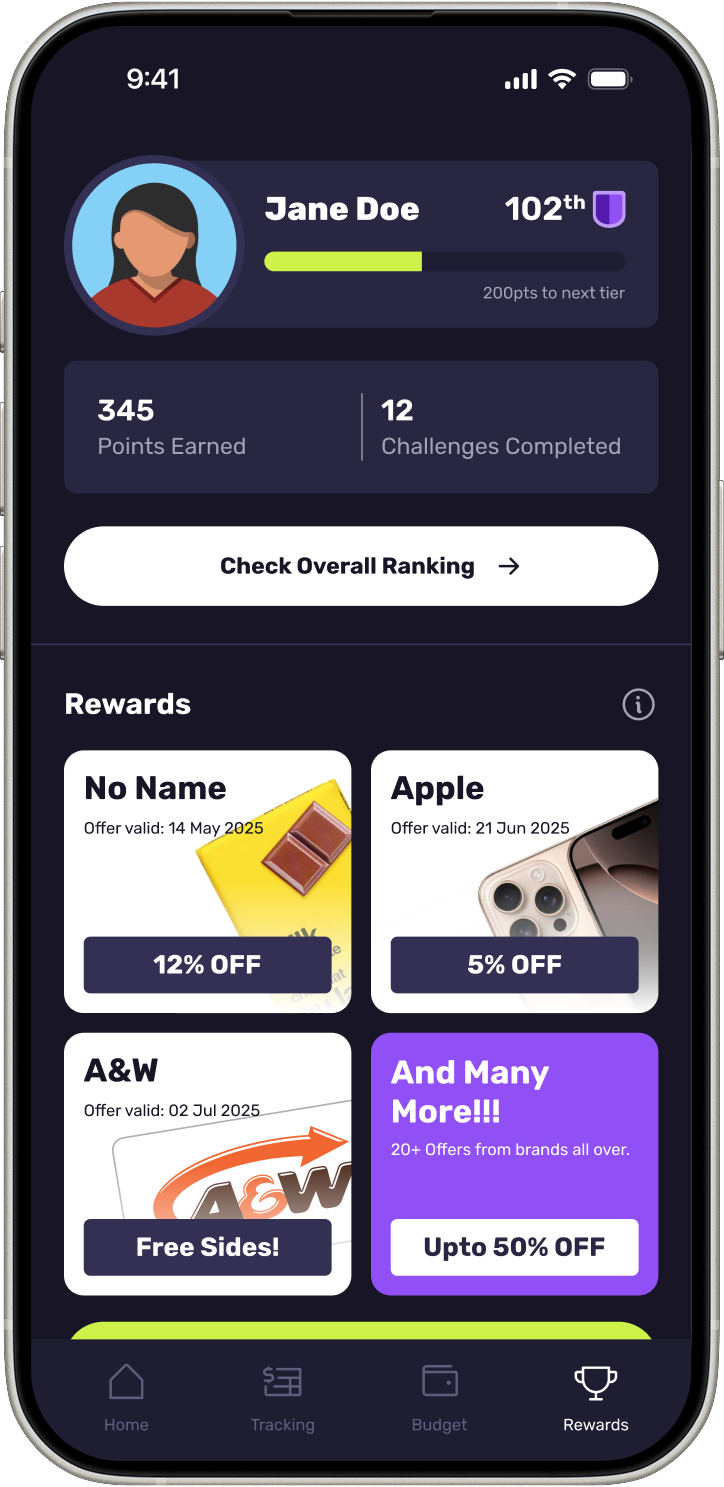
Every other feature in Montro builds good habits. The rewards section makes those habits feel worth having. Jana earns points by completing challenges — logging daily expenses, staying within budget, hitting a weekly login streak.

Challenges to Score Points

Spin-Roulette to Unlock Rewards

These points unlock a spin-to-win mechanic with real coupons and discounts from partner brands like No Name, Apple, Costco, etc. A leaderboard adds a social layer, letting her see how she ranks against other users and giving her one more reason to come back tomorrow.

Outcome

What we built,and what we learned

The strongest validation signal came from the presentation, where Montro ranked 2nd in the mobile application category among our peers. More telling than the ranking was the split reaction to the rewards feature — some participants flagged associations with gambling, while others said it was exactly the kind of incentive that would keep them consistent. That tension is the most useful thing we learned. It tells us the mechanic has pull, but the framing needs work before it reaches a wider audience.