arrow_outward
arrow_back

BACK

ProLog

A mobile guide for BC trade apprentices that answers three questions in every screen: Where am I? Where should I be? How do I get there?

My role
Product Lead & Designer
Timeline
3 Months
Team
8 Members
Partners
ConnectHer
Tools
Figma, Expo, ChatGPT API, Google Cloud APIs
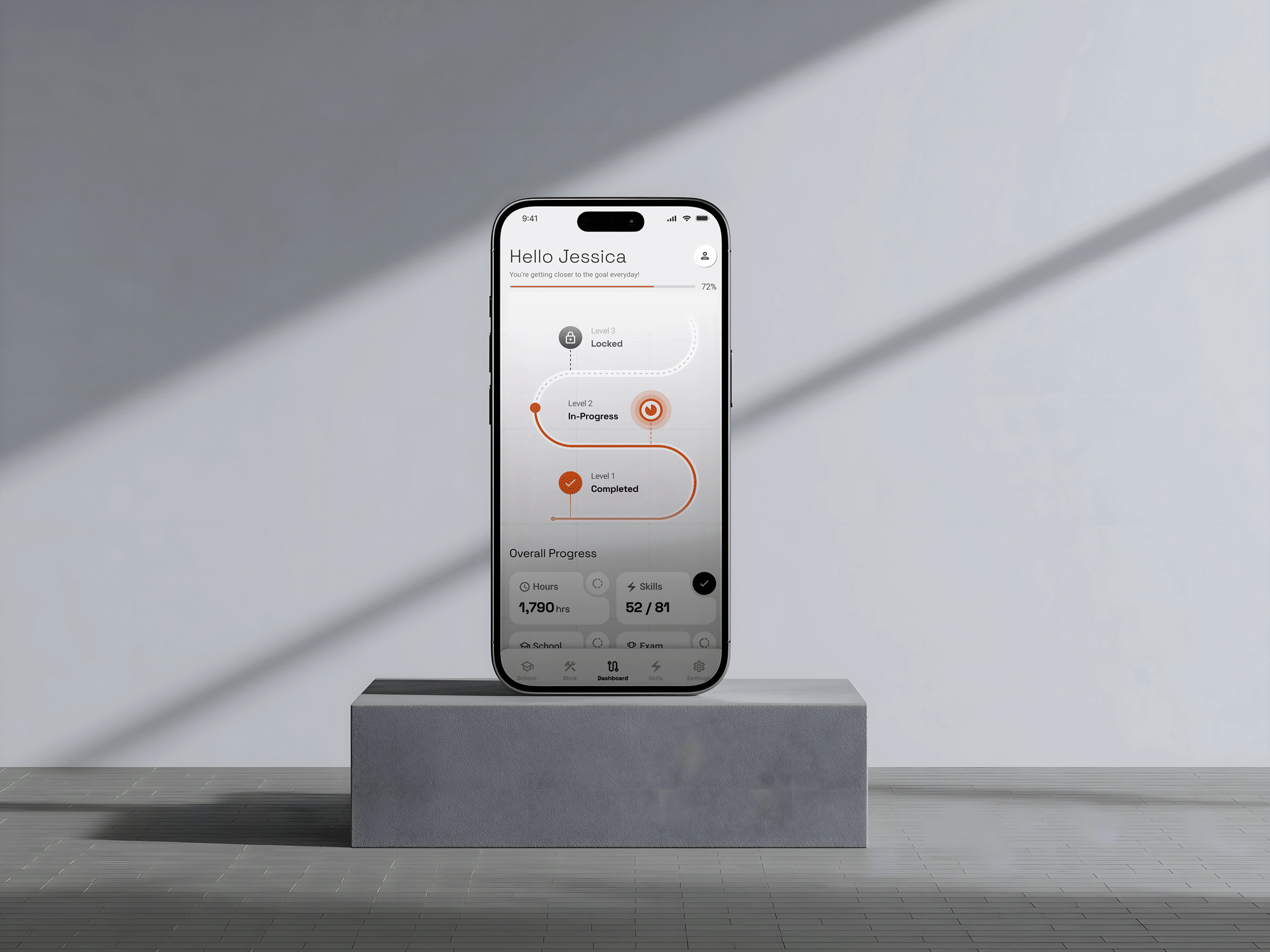
ProLog home screen on an iPhone: a greeting with overall progress at 72%, a level path showing Level 1 completed, Level 2 in progress and Level 3 locked, and hours and skills progress cards.

TL;DR

Problem
42% of apprentices never certify. Hours, school, exams and funding sit on separate systems, and non-union apprentices piece them together alone.
What I did
Product lead on an 8-person team with ConnectHer. I designed & developed the home dashboard, the core Working Hours and AI learning flows, and the information architecture.
Result
A working prototype that scans paystubs to cross-check hours, surfaces school seats and costs, turns 81 competencies into AI-quizzed study, and shows it all in one view.

Problem

The system tracks compliance, not people

41% of Canada's skilled-trades workforce is expected to retire by 2031. The system meant to replace them loses 42% of apprentices before certification.

Most don't leave because they can't do the work. They leave because the administration around it becomes unsustainable, and that burden lands hardest on people already facing barriers. Three causes compound: discrimination against underrepresented groups, progress no one can see, and hours, funding, education and competencies living on separate platforms.
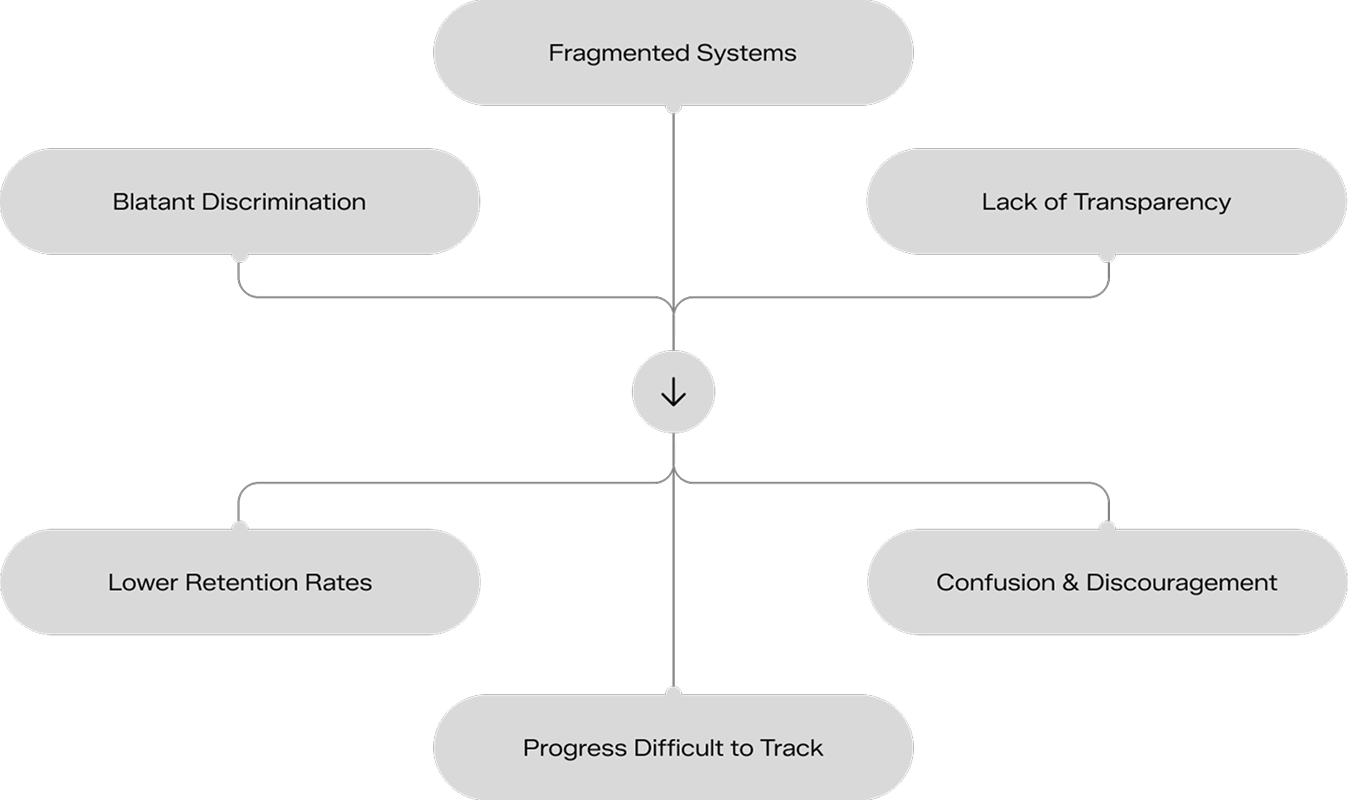
Diagram: three root causes, fragmented systems, blatant discrimination and lack of transparency, lead to three outcomes: lower retention rates, confusion and discouragement, and progress that is difficult to track.
Root causes on the top, what they produce at the bottom. Each is a gap between two systems that were never built to talk to each other.

Insights

  • 6,000 Hrsof documented work required for Red Seal
  • 5 Yrsaverage time from entry to qualification
  • 42%of enrolled apprentices never complete certification
  • 9 of 12apprentices surveyed had never contacted their mentor

When systems don't talk to each other, small problems become career-ending ones.

Hour discrepancies go undetected for months. Funding deadlines pass unnoticed. Study resources stay scattered. For neurodivergent apprentices (one in five Canadians), executive function challenges turn that fragmentation from difficult into insurmountable.
Research

The system fails people unevenly

Interviews
4 in-depth interviews with apprentices, journeymen and educators across several trades.
Survey
12 responses from apprentices, from pre-apprenticeship through advanced levels.
Secondary
Provincial reports, academic papers and Reddit trade forums, chosen to hear from people who would never take part in a formal study.
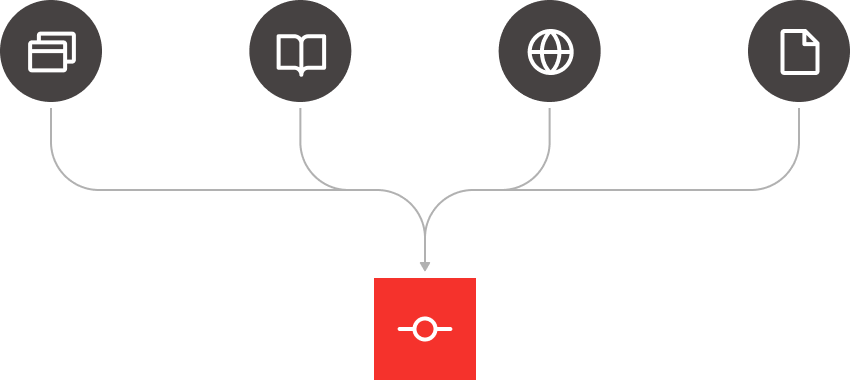
Diagram: four streams of research evidence, shown as icons for websites, academic papers, online forums and reports, converging on a single point.
Four streams of evidence, converging on the same three failures.

Union apprentices had stewards and structured tracking. Non-union apprentices handled everything alone, and they are the people most likely to be underrepresented.

Hour verification

Sign-offs depend entirely on how fast the employer responds. Errors surface months later, at sign-off, when the work may no longer count.

Platform fragmentation

SkilledTradesBC, union portals, employer systems and schools each hold part of the record. No single source of truth exists.

Hidden financial support

Most defaulted to EI without knowing bursaries, grants and tax credits existed. The information was public, but it wasn't findable.

Mobile first, not optional

80% (survey results) of apprentices use a phone as their main device. SkilledTradesBC's site has small text, sideways scrolling and forms that don't fit a phone.

Process

Four decisions that shaped ProLog

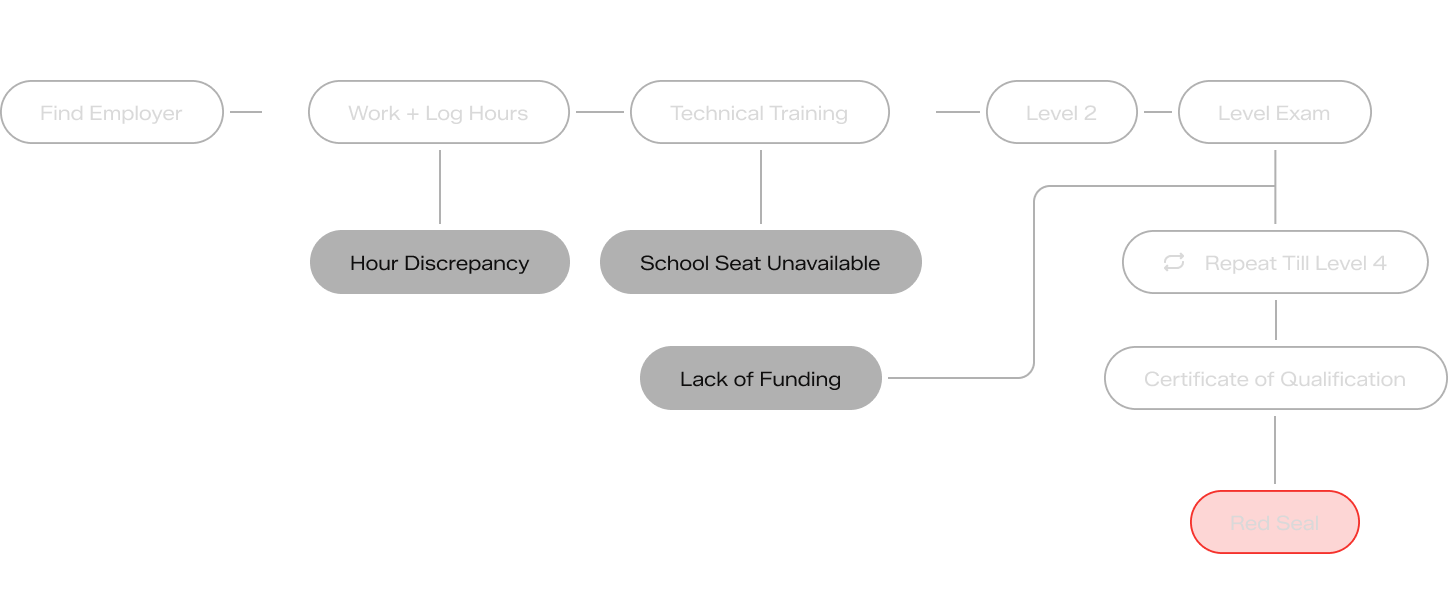
Before designing anything we mapped the path from finding an employer to Red Seal. It looks linear, but at almost every handoff the system passes work to the apprentice with no tool to carry it.

Apprenticeship path: find an employer, work and log hours, technical training, then each level exam, repeated until Level 4, leading to a Certificate of Qualification and Red Seal. Grey boxes mark where it breaks: hour discrepancies, unavailable school seats and lack of funding.
The apprenticeship path, with the points where it quietly breaks shown in grey: hour errors found at sign-off, school seats that fill regardless of hours, funding deadlines with no reminder.

No single platform connects those touchpoints, so the burden of integration falls on the person least equipped to carry it. That gap set up the four decisions below.

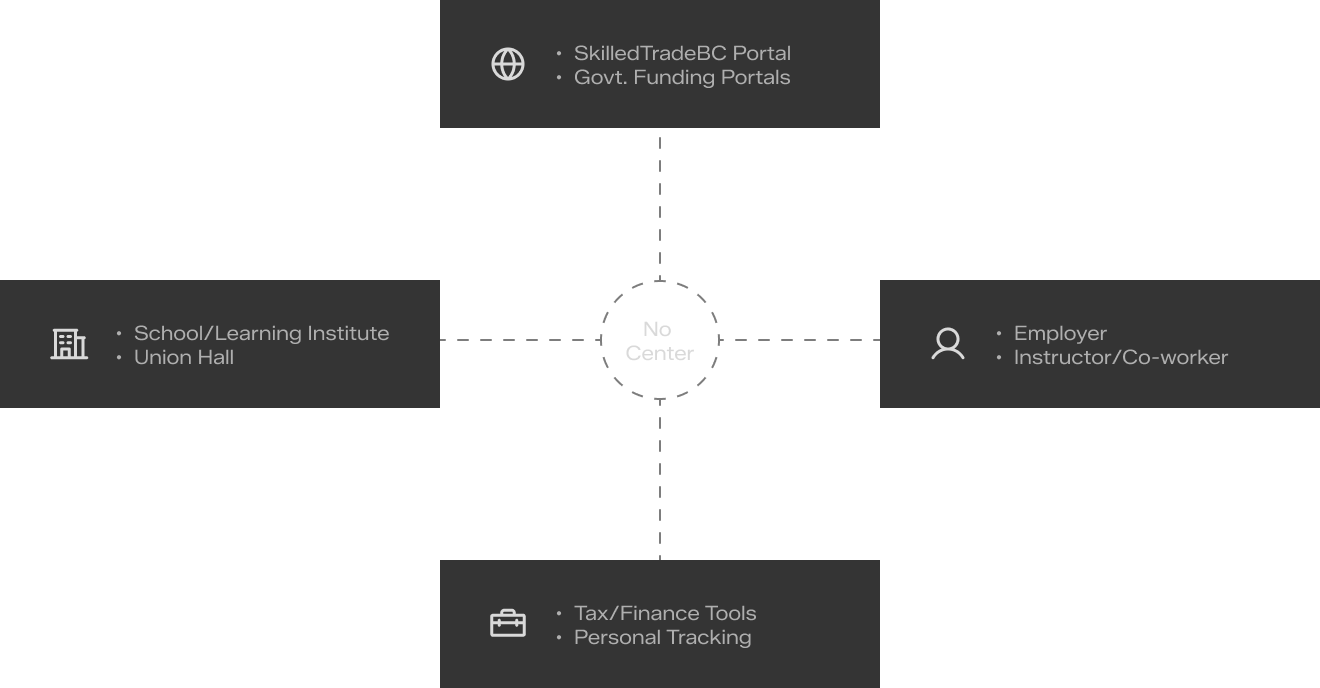
Diagram: four disconnected groups of systems around an empty center labeled No Center: the SkilledTradesBC portal and government funding portals; employer and instructor or co-worker; school or learning institute and union hall; tax and finance tools and personal tracking.
An apprentice's record is split across four kinds of system with nothing at the center. The apprentice becomes the integration layer.

A journey, not a feature list

Instead of
Separate sections that each tried to do more on their own
We chose
One spine. Every section answers the same three questions and feeds a shared journey dashboard.
Why
Features that should have informed each other sat side by side. Reframing around the journey in week ten gave the app a structure people could predict.

Two sources of truth, on purpose

Instead of
Trusting SkilledTradesBC's hour count as the record
We chose
Scan the apprentice's paystubs and reconcile them against SkilledTradesBC's hours automatically.
Why
When the two disagree, that's the earliest warning that months of work might not count. Scanning keeps it effortless, so the check actually happens.

Open it when it matters

Instead of
Designing for daily engagement
We chose
A tool that stays quiet until a deadline, gap or discrepancy needs attention.
Why
Apprentices work full time and study at night. An app that asks for daily attention costs them time without helping.

Same pattern, distinct sections

Instead of
A uniform look across every section
We chose
One interaction model everywhere, with a distinct visual identity per section.
Why
Neurodivergent users struggle most with inconsistent systems. The shared pattern cuts learning; distinct visuals show where you are without reading labels.

Solution

Three questions. One source of truth.

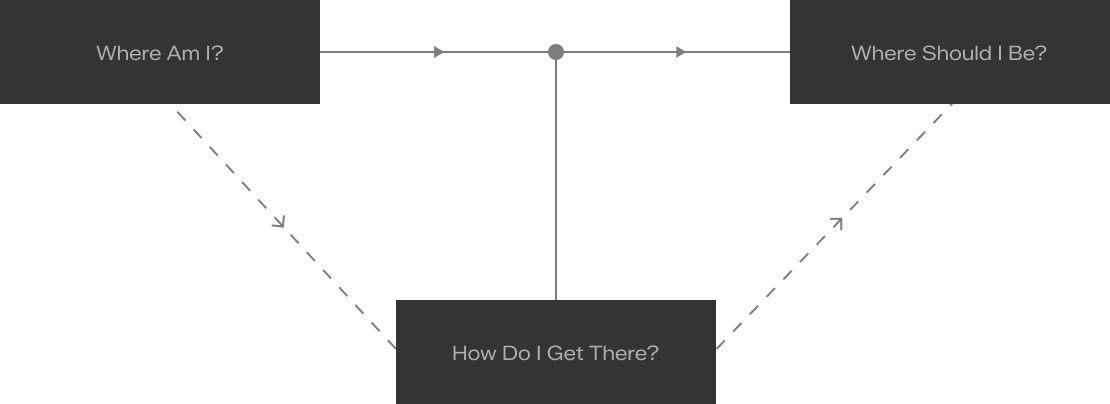
ProLog is a tool, not a destination. It's built to be there when an apprentice needs it, and sometimes before they realize they do. Every section answers the same three questions.

Diagram of the three questions: Where Am I? leads to Where Should I Be?, and both connect to How Do I Get There?
The three questions every section answers
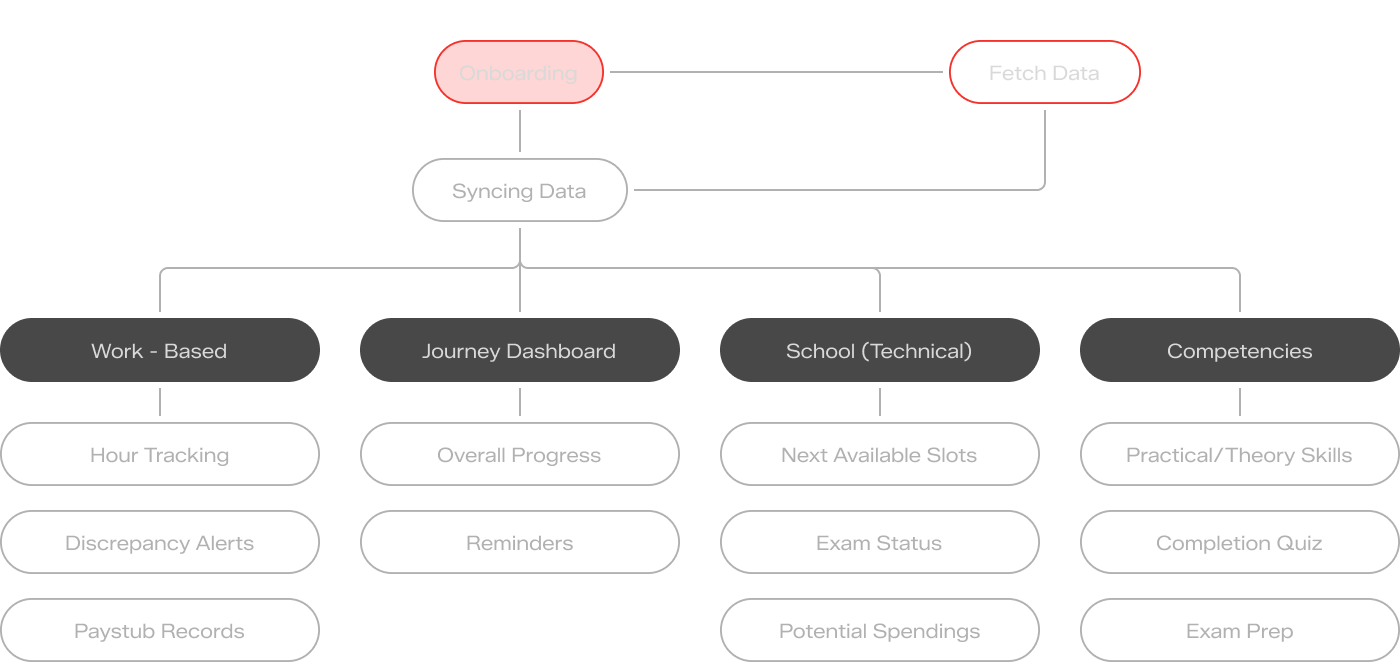
Information architecture: onboarding fetches and syncs data into four sections. Work-based covers hour tracking, discrepancy alerts and paystub records; Journey Dashboard covers overall progress and reminders; School covers next available slots, exam status and potential spendings; Competencies covers practical and theory skills, a completion quiz and exam prep.
Final information architecture

Meet Maya

A Level 2 electrical apprentice. Non-union, working full time and studying at night. A composite drawn from our interviews and survey. She can do the work; the system is what's in her way.

01. Working Hours

Maya hasn't checked her hours in weeks. ProLog scans her paystubs, compares them with SkilledTradesBC's records, and treats any disagreement as a signal worth surfacing.

Where am I?

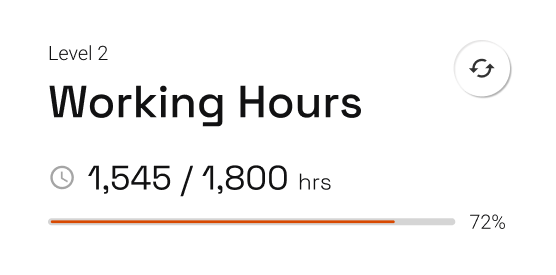
Logged hours against her level requirement, from both her paystubs and SkilledTradesBC.

Level 2 Working Hours card showing 1,545 of 1,800 hours logged, with a progress bar at 72%.
Hour Progress

Where should I be?

The gap between the two records, and how many hours remain before she can move up a level.

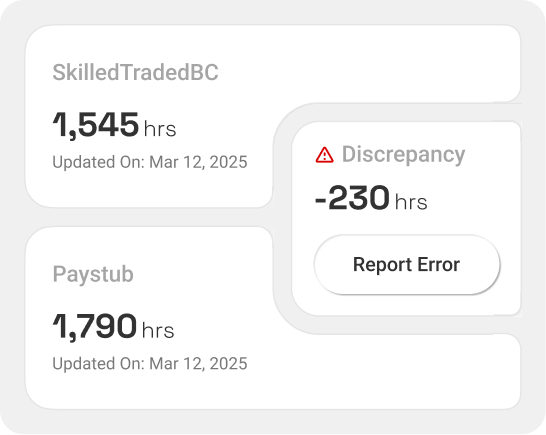
Discrepancy card comparing 1,545 hours on record with SkilledTradesBC against 1,790 hours from paystubs, flagging a 230-hour gap with a Report Error button.
Discrepancy Detector

How do I get there?

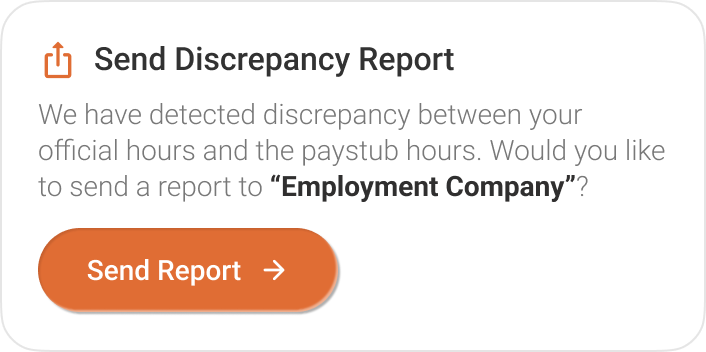
One tap sends her employer a report. A problem that took months to find becomes something she fixes in a minute.

Send Discrepancy Report prompt asking whether to send a report about the hour mismatch to the employer, with a Send Report button.Confirmation banner: Discrepancy Report Sent Successfully.
Report Detected Discrepancy

02. Technical Training

Maya has her hours. What she doesn't have is a school seat. ProLog combines her exam and certification records with intake dates and open seats from schools like BCIT.

Where am I?

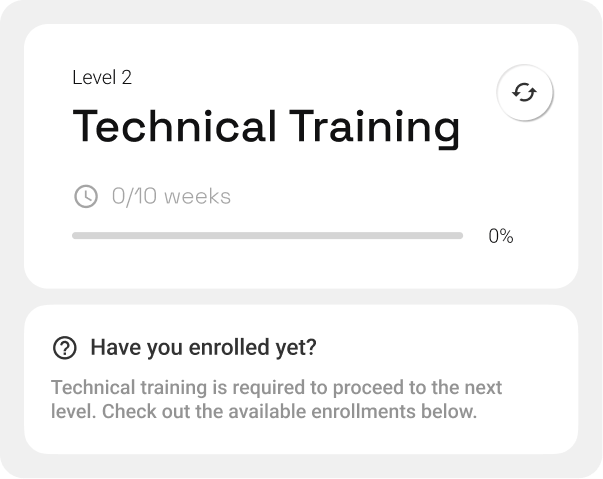
Enrollment status and level progress on one screen, instead of two separate sites.

Level 2 Technical Training card at 0 of 10 weeks, with a prompt asking if she has enrolled yet and pointing to available enrollments.
Tracking Enrollment Status

Where should I be?

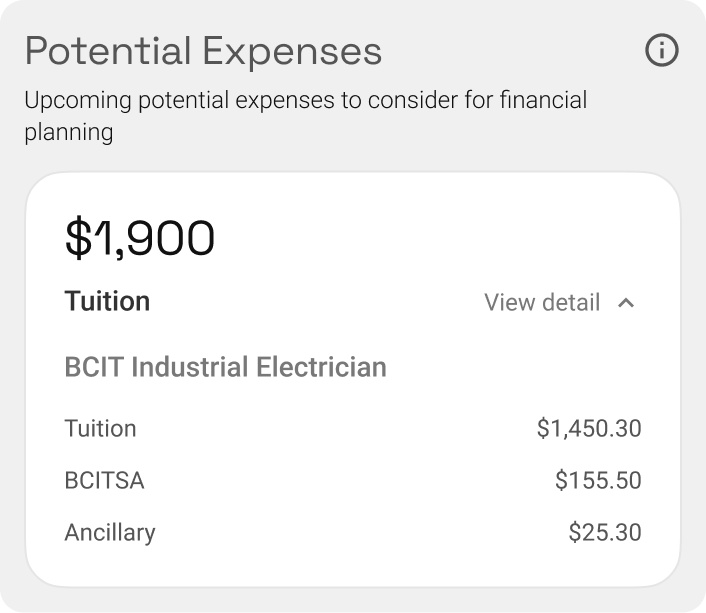
Program requirements, exam dates and the costs to plan for, shown before they become obstacles.

Potential Expenses card estimating $1,900 for the BCIT Industrial Electrician program, broken down into tuition, BCITSA and ancillary fees.
Cost Breakdown

How do I get there?

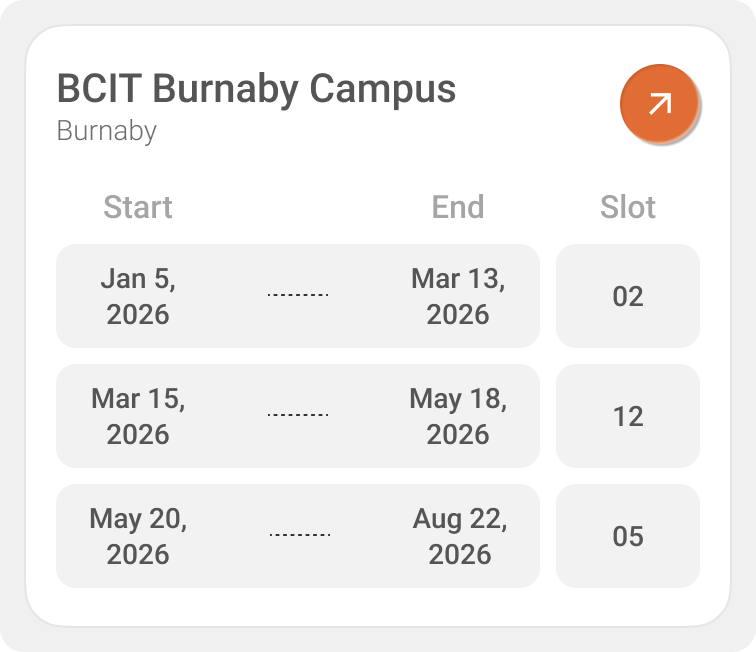
Open intakes across campuses, matched to her hour progress, so she knows what's available before a deadline passes.

BCIT Burnaby Campus intakes listing three 2026 start and end dates with the number of open slots for each.
Available Program Slots

Scope Note

The Finance tab shows costs and links to support programs. Proactive funding matching tied to each apprentice's eligibility was deferred to fit the timeline, and is first in line for a second sprint.


03. Skills & AI Learning

The big exam is coming and Maya's notes are scattered across 81 competencies. The Skills section organizes them by line, splits theory from practical, and tracks progress item by item.

Where am I?

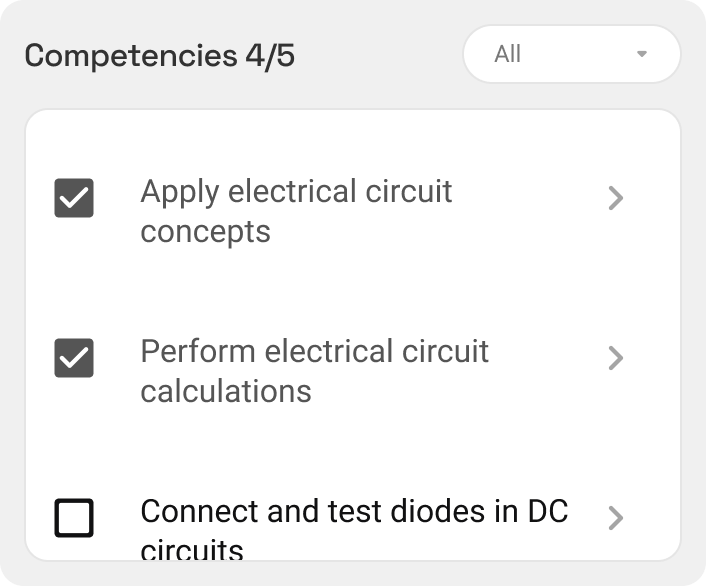
Every competency marked complete or not, across all 81.

Competency checklist showing 4 of 5 complete, with items such as applying electrical circuit concepts ticked off.
Tracking Completed Competencies

Where should I be?

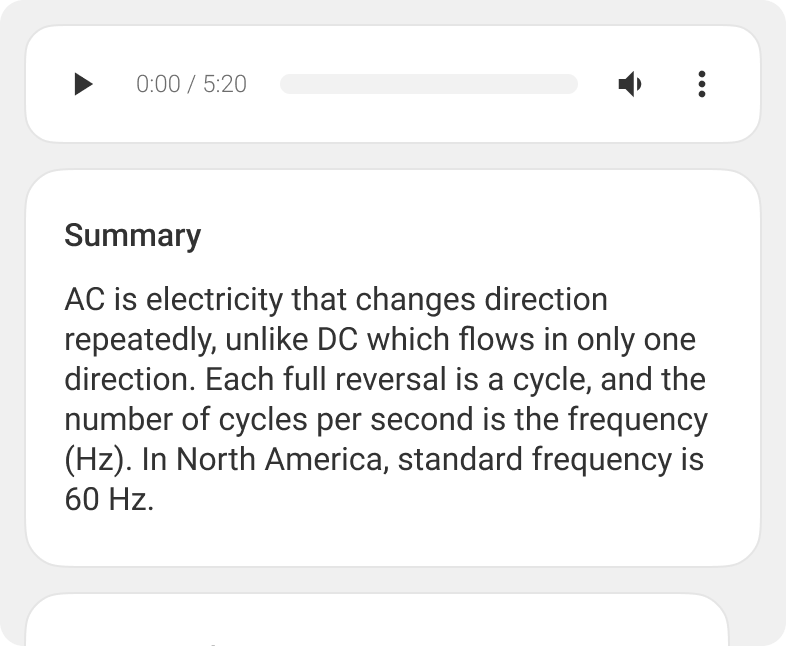
A plain-language guide to each competency, with key terms and a text-to-speech version for the commute.

Competency study page with an audio player for the text-to-speech version above a plain-language summary of alternating current.
Competency Detailed Learning

How do I get there?

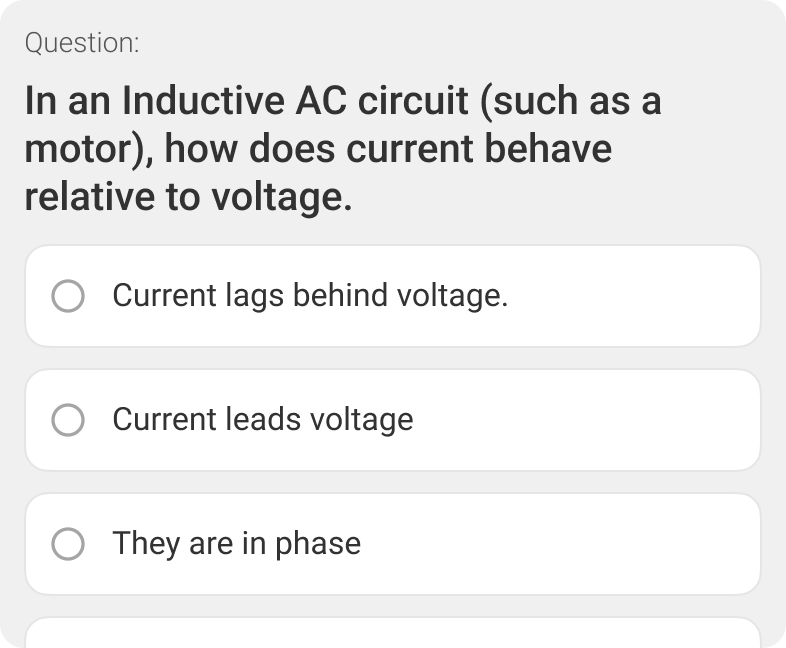
A new GPT-generated quiz on every attempt tests understanding rather than memory, and every attempt is tracked.

Multiple-choice quiz question asking how current behaves relative to voltage in an inductive AC circuit.
AI Generated Quiz

04. Journey Dashboard

Each feature is a node in one system. What ProLog learns across work, school and skills rolls up into a single picture of where Maya is and where she's heading.

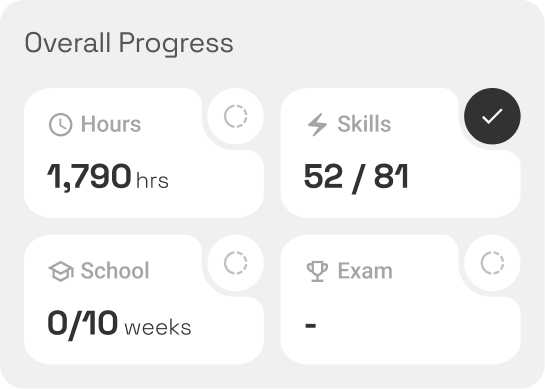
Overall Progress card with four tiles: 1,790 hours, 52 of 81 skills complete, 0 of 10 school weeks and no exam yet.
Complete Progress Tracking
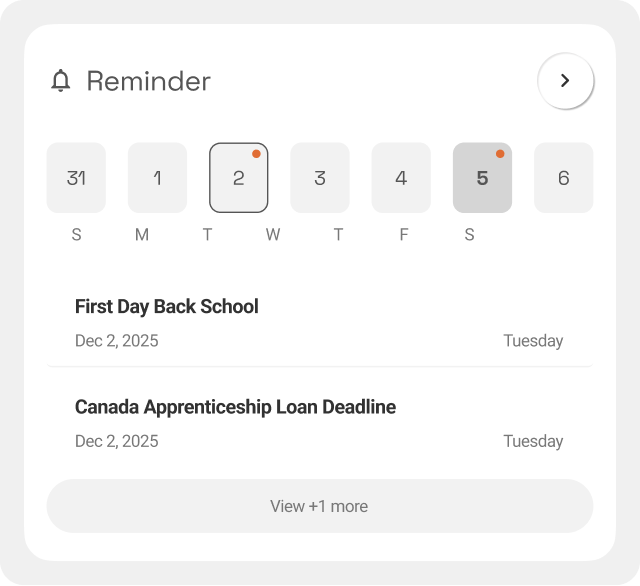
Reminder card with a week calendar and two upcoming items: First Day Back School and the Canada Apprenticeship Loan deadline.
Smart Reminders

As data builds up, gaps become predictable: hours falling behind, an exam close with competencies incomplete, a funding deadline two weeks out. The dashboard answers all three questions together, before Maya thinks to ask. That's the difference between a companion and a guide.

Impact

Signal within a three-month sprint

We didn't run formal usability testing inside the sprint, but the signal we gathered was strong.

Delivered

A working prototype in 3 months

Built in Expo and React with working paystub scanning, text-to-speech and a GPT-generated quiz. SkilledTradesBC and school data were simulated for the prototype.

Validation

An industry advisor offered to champion it

An advisor with direct ties to SkilledTradesBC offered, unprompted, to advocate for ProLog and share it across their network.

Resonance

The logic landed without the backstory

At the final presentation, people new to the trades understood why each feature mattered without needing the context.

Reflections

The shift

We found the journey framing in week ten. It should have been week two.

Our early thinking was additive: the more ProLog could do, the more useful it would be. The result felt scattered, and arriving late to the journey meant rebuilding decisions we could have got right the first time. Next time I'd test the product's spine before adding features to it.

The gap

Finance shows people their costs. It doesn't yet get them funded.

Money ended careers for many apprentices we spoke with. Proactive funding matched to eligibility is the first thing I'd build next, because awareness without access only solves half the problem.

What testing would answer next...

  • Q1Does discrepancy detection reduce the stress of hour sign-offs?
  • Q2Does seeing costs early change the decisions apprentices make?
  • Q3Does the AI quiz measurably improve exam readiness?

“A companion is there when you need it. A guide sees what’s coming before you do.”